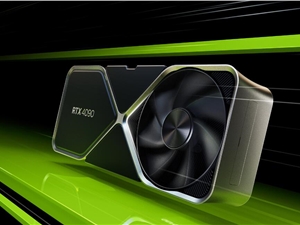
NVIDIA, the global leader in computing power, is preparing to make a big move. According to insiders, NVIDIA plans to officially launch a new processor designed specifically for inference computing at its GTC developer conference next month. Notably, this new chip is not the result of NVIDIA's independent efforts but integrates cutting-edge technology from the star startup Groq.

With the explosive growth of AI agents worldwide, market demand for chips has shifted from simple "model training" to efficient "task response (inference)." NVIDIA's move is clearly aimed at precisely targeting competitors and solidifying its dominance in the AI inference market.
Strong Collaboration: Solving the Pain Point of Slow AI Responses
The core of this collaboration lies in Groq's unique "language processing unit" technology. Compared to NVIDIA's traditional GPU architecture, Groq technology is highly efficient in the "decoding" process of AI response generation.
Previously, it was reported that NVIDIA paid a huge price of 2 billion USD to obtain key technology licenses from Groq and integrated its core management team. This "talent + technology" deep integration aims to create a specialized tool that makes AI conversations smoother, more cost-effective, and more energy-efficient.
OpenAI "Defected" Back, Placed Heavy Orders
For NVIDIA, the most significant victory of this move is regaining a major client, OpenAI.
Over the past few months, due to dissatisfaction with the high cost and power consumption of GPUs, OpenAI has been looking for alternatives and even signed supply agreements with startups like Cerebras. However, with NVIDIA's new platform integrating Groq technology now emerging, OpenAI has agreed to become one of the largest initial customers for the product. It is reported that OpenAI plans to use this new system to comprehensively upgrade its Codex programming tool to compete against rivals such as Anthropic.
The Second Half of the Computing Power Race
Currently, the competition in the AI chip market has reached a boiling point. Giants like Google and Amazon are launching their own chips, trying to take a slice of NVIDIA's market.