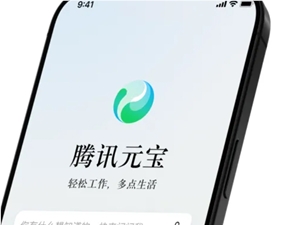
Recently, Tencent CEO Ma Huateng officially announced the "Shrimp" AI agent product matrix on his social media circle, marking Tencent's comprehensive efforts in the agent (AI agent) ecosystem field.
This matrix includes self-developed Shrimp, local shrimp, cloud shrimp, enterprise shrimp, and secure isolated shrimp rooms, forming a diversified product system. The core product, the full-scenario desktop AI agent WorkBuddy, was officially launched on March 9th. It has the ability to fully compatible with OpenClaw (Shrimp) skill packages, supports calls to multiple mainstream models in China, and achieves "zero deployment, plug-and-play" through an installation method similar to ordinary apps, significantly lowering the threshold for individual users to perform cross-software automation tasks.

At the same time, the local AI assistant QClaw based on the OpenClaw open-source ecosystem has also started internal testing, further improving Tencent's AI agent deployment capabilities from cloud to local. Previously, there were reports that Tencent is secretly developing a WeChat AI agent planned for release in the third quarter, aiming to access millions of mini programs through dialogue, and deeply restructure daily life scenarios such as ride-hailing and food delivery.
Driven by these series of actions, Tencent's stock price rose significantly this week, reaching a high of HKD 578 during the day, up more than 11% from last weekend. As AI agent technology moves from the experimental stage toward large-scale commercial application, Tencent, with its deep core business scenarios and open-source ecosystem accumulation, is trying to take the leading position in the terminal interaction entry competition in the AI 2.0 era, which also indicates that the window period for enterprise AI transformation is accelerating to close.