Perplexity CEO Aravind Srinivas pointed out in a recent interview that the advancement of artificial intelligence will not disrupt the smartphone market, but rather transform the iPhone into an indispensable "digital passport." Srinivas believes that as AI systems become increasingly dependent on context to generate results, the iPhone, which stores massive personal data such as payments, health, and communication, has become a key infrastructure for future AI systems, and its importance will become increasingly prominent as AI capabilities improve.
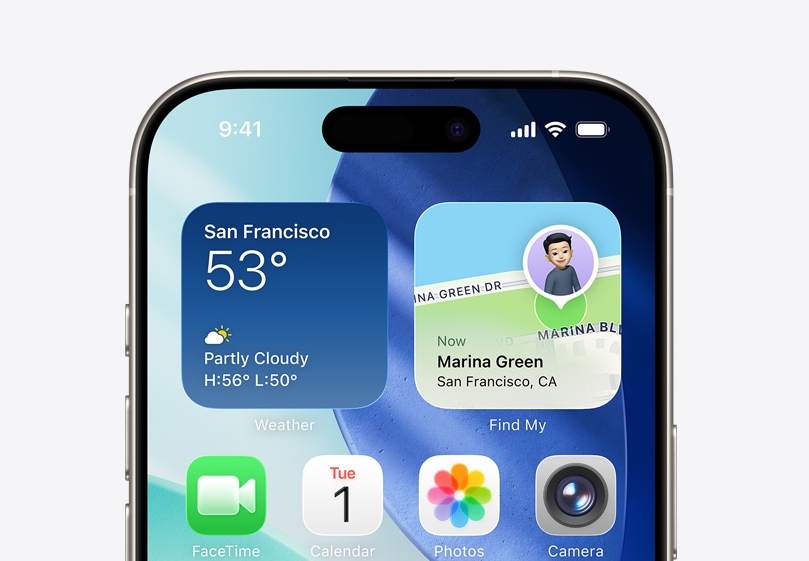
Srinivas emphasized that Apple Silicon is a core asset long underestimated by the company. As AI computing power shifts from centralized cloud to edge devices, hardware with strong local processing capabilities has become the foundation for running "agent loops." This edge-side processing model not only significantly reduces reliance on centralized servers, but also aligns with Apple's long-standing privacy protection philosophy, which minimizes the risk of data leaks by keeping sensitive data locally.
Although Siri still lags behind competitors like OpenAI in conversational capabilities, Apple's vertical integration advantage in hardware, software, and user data control gives it an unparalleled ecosystem closed loop in the era of personalized AI.
From an industry perspective, this view redefines the role of hardware manufacturers in the generative AI competition. Currently, AI experiences are still dominated by third-party tools, so controlling the hardware platform means mastering the underlying entry point for AI operation. With the expected official launch of context-aware Siri in 2026, Apple is poised to transform its large existing device base into the most active AI interaction terminals through software-hardware collaboration. This signals that the focus of competition in the AI industry is shifting from mere parameter comparisons of models to the struggle for local data sovereignty and control over hardware ecosystems.