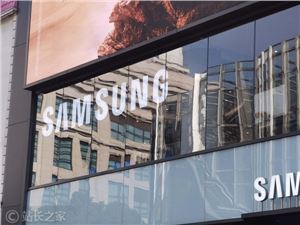
Samsung Electronics announced the breakdown of wage negotiations with its South Korean union on May 13. The union stated that due to significant differences between the two sides on core demands such as reforming the compensation system and setting a cap on bonuses, it is expected that more than 50,000 employees will participate in an 18-day comprehensive strike.
Multiple rounds of discussions were held under the mediation of the South Korean government, but the management has yet to provide a satisfactory solution for the union's demands, such as removing the bonus cap. The union leadership stated that there are currently no plans to resume negotiations unless the company presents a more sincere remedial plan.
Where there is a reward, there is a brave person.
One of the reasons for the radical statements from Samsung employees stems from the growing gap in treatment between Samsung and its competitor SK Hynix. SK Hynix, which took an early lead in the high-bandwidth memory (HBM) sector, eliminated the bonus cap last year, resulting in significantly higher bonuses for its employees compared to similar positions at Samsung.
This sense of disparity has caused strong dissatisfaction among Samsung employees, leading to a rapid increase in union membership. Employees generally believe that the company's lag in the AI chip sector should not be compensated by shrinking the welfare of frontline workers.
The Global Chip Chain Faces Turmoil
Industry experts are concerned that this strike, which could last nearly three weeks, will directly impact Samsung's AI chips and other high-end semiconductor production lines. Due to the highly continuous nature of the production process, any disruption in one link may cause delays in shipments to global customers.
If production capacity is damaged, global memory chip prices may experience another surge, while Samsung's competitors may take advantage to further erode its market share. In the current context of soaring demand for AI computing power, this labor dispute undoubtedly casts a shadow over the global semiconductor supply chain.