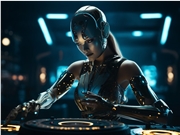
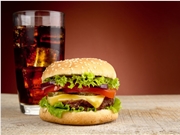
How much trust can one promotional image undermine? KFC Japan recently found itself in hot water over exactly that. According to a November 10 report by Japanese media outlet ITmedia, online users noticed that when this fast-food giant was test-selling new items at some stores, the product promo images were not actual photos but were generated by generative AI. What's more, this was not an oversight at a single store, but a deliberate production choice.

AI-tinted green ice cubes gave it away
The test items were two limited-edition products: an "ice cream cola drink" and an "ice cream melon soda." Looking closely at the promo image, the ice cubes in the cup were tinted dark green, the same color as the soda, and their surface had a jelly-like sheen. This obviously jarring look was far from the texture of a real photo, and it became the flaw that let online users instantly spot the "AI-made" work. In a food industry that values "what you see is what you get," this kind of distortion is exactly what consumers are most sensitive to.
The brand stays vague, and the public isn't buying it
Facing questions, KFC Japan's response was vague: the company would not disclose specific production details, but it admitted that the promo images for the test products did use generative AI. As for whether it would extend to images for other products, it refused to answer outright. On social platforms such as X, negative voices prevailed—some said outright that "the image itself just looks off," some worried the image would not match the actual product, and others asserted that this approach would end up hurting the brand's image.
When AI makes food look "more real than real," what consumers want is an honest match to the actual product. This small controversy hits exactly the unavoidable integrity test for the fast-food industry when using AI to beautify its promotions: between efficiency and authenticity, which way should a brand tip the scales?